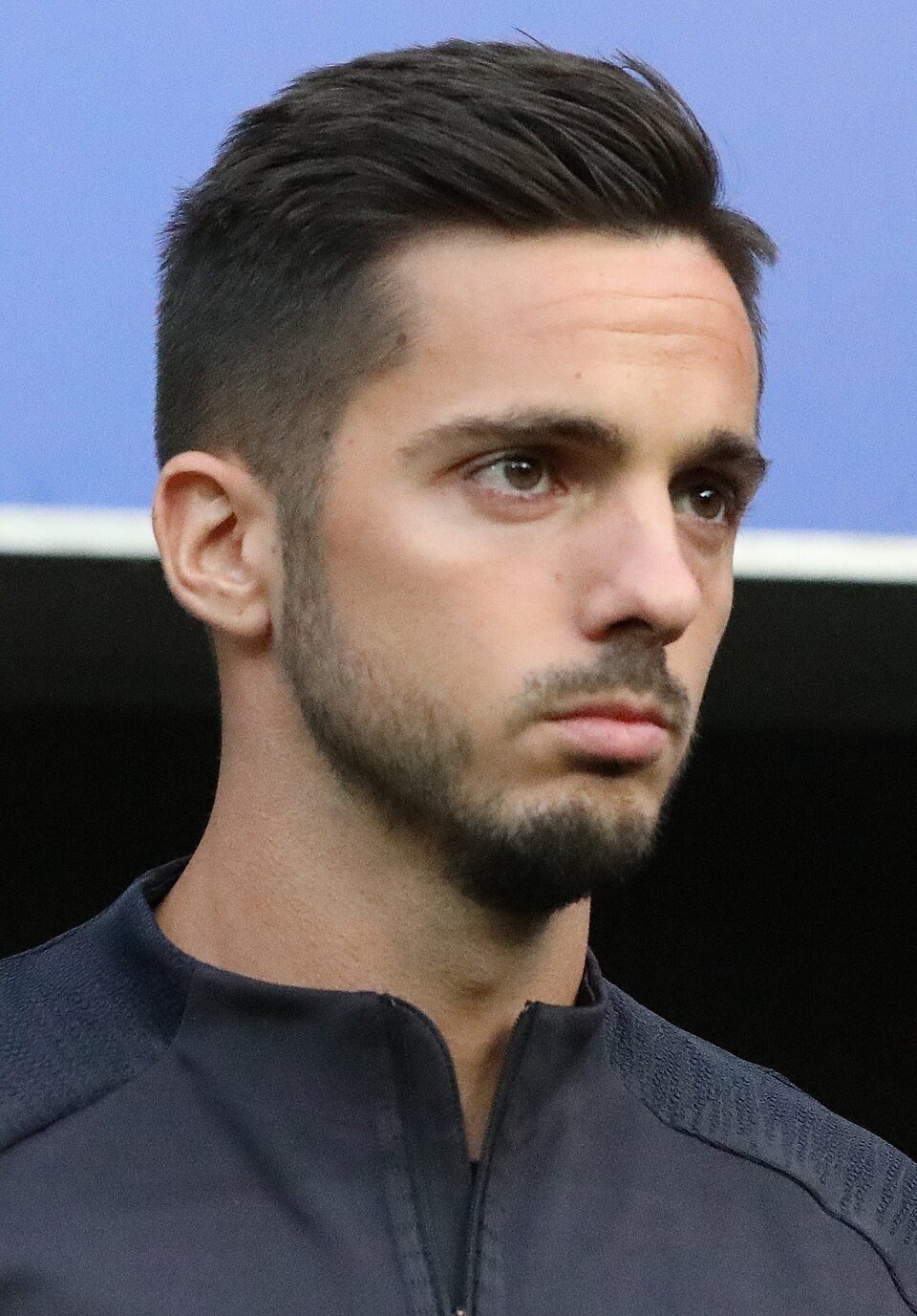
The European Championship is a crucible where legends are forged, and often, where the most compelling narratives unfold not just on the pitch, but off it. Euro 2020 was no exception, offering a dramatic subplot involving Spain's early struggles, a scathing critique from a former Dutch star, and the fiery, defiant response that arguably reignited La Roja's spirit. At the heart of this captivating exchange was Pablo Sarabia, whose powerful declaration, known in Portuguese as "sarabia declaração," became a rallying cry for a nation hungry for success.
The Echo of Criticism: Van der Vaart's Scathing Assessment
Spain entered Euro 2020 with a blend of expectation and skepticism. Despite a rich history of success, their squad felt like one in transition. Their opening matches did little to quell the doubters, as they mustered disappointing draws against Sweden (0-0) and Poland (1-1). The performances, characterized by prodigious possession but a distinct lack of cutting edge, drew sharp criticism from various corners.
Among the most vocal and pointed critics was former Netherlands international and Real Madrid midfielder, Rafael van der Vaart. Speaking on NOS, Van der Vaart pulled no punches. He lambasted Spain's style, calling them "horrible" to watch. He mocked their passing game, stating, "All they do is pass from one side to the other." Going further, he confidently declared he would be happy for the Netherlands to face them in the knockout phase, implying they would be an easy opponent. Such a public and dismissive assessment from a figure of Van der Vaart's stature could have easily demoralized a team already under pressure. Instead, it stirred a potent mix of indignation and resolve within the Spanish camp.
Spain's Precarious Position and the Need for a Catalyst
Heading into their final Group E match against Slovakia, Spain's qualification for the last 16 was far from guaranteed. They needed a win to secure their progress, though a draw might suffice depending on the outcome of the Sweden vs. Poland match. The atmosphere was tense, and the team needed more than just tactical adjustments; they needed a psychological boost, a unified front, and a clear message that their pride was intact.
Sarabia's Declaration: A Poignant Reminder of Past Glory
It was in this crucible of doubt and criticism that Pablo Sarabia, alongside Atlético Madrid's Koke, stepped forward to deliver a powerful counter-narrative. Sarabia's statement, the much-discussed "sarabia declaração," wasn't just a rebuttal; it was a defiant reclaiming of Spain's footballing legacy, specifically tailored to sting Van der Vaart where it mattered most.
Speaking to Radio Marca, Sarabia directly addressed Van der Vaart's comments, stating unequivocally that the former Dutch midfielder was "mistaken." But Sarabia didn't stop there. He invoked the most painful memory for any Dutch footballer of that generation: the 2010 World Cup final. "The only memory I have of that is the 2010 World Cup, in which he didn't come out so well because we won the final," Sarabia declared, an elegant but devastating verbal jab. This wasn't merely a factual recall; it was a potent reminder of the moment Andrés Iniesta's extra-time goal, which Van der Vaart famously attempted to block, secured Spain's first-ever World Cup title against the Netherlands.
This Sarabia's declaration wasn't just about football; it was about pride, respect, and the weight of history. It subtly underscored the irony of a player from a team that lost to Spain in such a significant final criticizing the very essence of Spanish football. Sarabia acknowledged the team's current struggles – "We're not experiencing a wholly positive situation" – but pivoted quickly to an optimistic outlook, emphasizing that the team was "playing well" and just needed "the ball to go in." His words radiated a quiet confidence in their process: "We dominate games, we press well, they create few chances against us... I hope football will reward us and we'll win against Slovakia."
Koke's Support: Turning Criticism into Motivation
Koke echoed Sarabia's sentiment with similar precision. He remarked that Van der Vaart "wants his moment of glory and he's having it," implying the criticism was more for personal attention than genuine analysis. Koke also vividly recalled the 2010 final, specifically mentioning a photo at Spain's training ground in Las Rozas depicting Iniesta's decisive goal with Van der Vaart in the frame. "You have to respect him," Koke asserted, before revealing the team's strategy: "We're going to keep those words to motivate us a bit. We're not going to hang them up in the dressing room, but we're going to keep them in our memory if we play them." This collective decision to internalize the criticism and use it as fuel was a vital turning point.
The Psychological Impact: How a "Sarabia Declaração" Can Ignite a Team
In elite sports, psychology plays as crucial a role as talent and tactics. A strong Pablo Sarabia's statement or a collective team response to external pressure can be the spark that ignites a team's dormant spirit. Here's how such a declaration functions as a powerful motivator:
- Unifying Force: External criticism often fosters an "us vs. them" mentality, drawing a team closer together in defiance.
- Restored Pride: By reminding critics of past glories, players like Sarabia reaffirm their identity and inherent quality, bolstering self-belief.
- Targeted Motivation: Koke's admission that they would "keep those words in our memory" illustrates a deliberate strategy to turn negativity into a tangible source of drive. It provides a clear, actionable goal beyond just winning: proving the critics wrong.
- Leadership by Example: Sarabia and Koke, as prominent figures, demonstrated leadership by taking ownership of the narrative and protecting their teammates from demoralization.
For Spain, this particular "sarabia declaração" wasn't merely a retort; it was a psychological intervention. It reframed their struggles not as inherent flaws, but as temporary hurdles to be overcome with conviction and unity. It reminded them, and the world, of the pedigree that flowed through their veins.
Beyond the Back-and-Forth: Spain's Euro 2020 Journey After the Response
The impact of Sarabia and Koke's defiant stance was almost immediate and palpable. Spain went into their crucial match against Slovakia with renewed vigor. They didn't just win; they dominated. A resounding 5-0 victory against Slovakia not only secured their place in the knockout stages but sent a powerful message to their critics, particularly Van der Vaart, that La Roja was far from "horrible" and certainly not a pushover. Pablo Sarabia himself was a standout performer, scoring Spain's opening goal in the 24th minute and delivering a Man of the Match performance that day.
Spain continued to impress, navigating a thrilling extra-time victory against Croatia in the Round of 16 and a tense penalty shootout win over Switzerland in the quarter-finals. Their journey ultimately ended in the semi-finals against eventual champions Italy, again in a penalty shootout, but their performances in the knockout stages were a far cry from the tentative displays of their opening group games. This resurgence was undeniably fueled by the collective spirit ignited by the strong responses to criticism.
Practical Takeaways from Spain's Experience:
- Embrace Constructive Criticism, Deflect Malicious Attacks: Not all criticism is equal. Identifying and internalizing genuine feedback is important, but shielding a team from unduly harsh or disrespectful comments is crucial for morale.
- Harness Historical Achievements: Reminding a team (or oneself) of past successes can be a powerful antidote to present doubts. It reinforces capability and resilience.
- Develop a Collective Response: When facing external pressure, a unified and confident response from key individuals can solidify team cohesion and demonstrate collective belief.
The Enduring Legacy of Pablo Sarabia's Statement
The saga of Sarabia, Koke, and Van der Vaart serves as a vivid illustration of the emotional currents that run beneath the surface of major sporting events. It highlights how moments of verbal sparring can transcend mere words, becoming pivotal catalysts for a team's performance and spirit. Pablo Sarabia's statement, his "sarabia declaração," wasn't just a simple reply; it was a rallying cry that resonated with his teammates and, arguably, with the entire nation. It injected a much-needed dose of pride and defiance into a struggling squad, proving that sometimes, the most effective defense against criticism isn't silence, but a well-timed, historically charged retort.
In the narrative of Euro 2020, Spain's journey was marked by resilience, tactical evolution, and moments of individual brilliance. But underpinning it all was a fierce team spirit, undoubtedly fanned into a roaring flame by the unforgettable "sarabia declaração." It stands as a testament to the power of belief, the weight of history, and the profound impact a few well-chosen words can have in the high-stakes world of international football.